
About
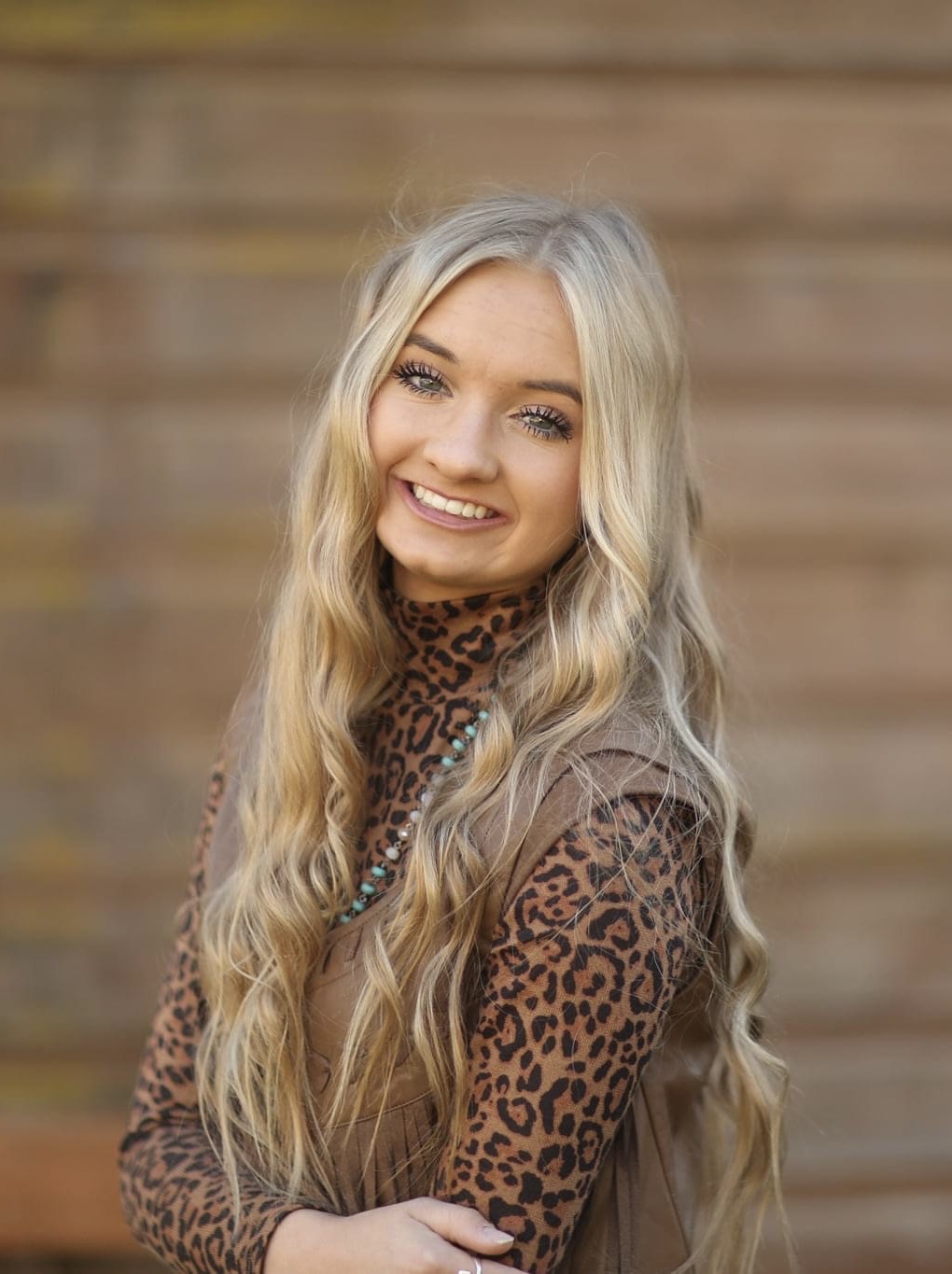
I’m Corynn Kayser, a writer blending journalism, PR, and creative storytelling. I’m passionate about telling stories that connect with people and highlight the moments, individuals, and communities that often go unnoticed. My background in journalism, public relations, and creative storytelling has taught me that every story has the power to inform, inspire, and bring people together.
Whether I’m covering a local event, creating multimedia content, or sharing someone’s personal journey, I strive to tell each story with authenticity, curiosity, and purpose. My goal is to create meaningful content that not only informs audiences but also leaves them with a deeper understanding of the people and experiences behind the headlines.
Samples
-
World’s Largest Outdoor Rodeo Returns to Cheyenne Wyoming
This news article previews the 130th annual Cheyenne Frontier Days, the world’s largest outdoor rodeo and Western celebration, returning to Cheyenne, Wyoming, July 17–26, 2026. The story highlights the event’s new qualifier format, increased prize payout, and economic impact on the region. Featuring direct quotes from recent champions and event organizers, the article explores why Cheyenne Frontier Days remains a nationally significant tradition and cultural event.
The 130th annual Cheyenne Frontier Days, the world’s largest outdoor rodeo and Western celebration, returns July 17-26 to the Wyoming capital. For more than a century, the event honors the enduring traditions and history of the American West, drawing visitors from across the country for rodeo competition, major concerts, parades and family-friendly activities.
This year, Cheyenne Frontier Days introduces a new qualifier bracket. Instead of allowing all professional rodeo athletes to participate, the committee has limited competition to those who qualify through preliminary rounds, ensuring only top athletes compete in the main events. This change is expected to intensify competition, giving fans a showcase of the sport’s elite.
The event carries one of the richest payouts in the rodeo industry, bringing in top cowboys and cowgirls across the nation. Rodeo athletes competing for a spot at the National Finals Rodeo have the chance to make significant strides in the standings. And the stakes continue to rise—this year, the rodeo’s payout will climb from $770,000 to $960,000, a clear sign of its ongoing commitment to remaining one of the most prestigious events in professional rodeo.
Lisa Lockhart, the 2025 Cheyenne Frontier Days barrel racing champion, said “Cheyenne embodies the true Western heritage with its legendary rodeo. As contestants, it’s enticing to compete in the authentic ‘cowboy’ atmosphere, and it is also a great rodeo overall. Success at this rodeo can make or break your chances to compete at the National Finals Rodeo.”
With approximately 550,000 visitors expected, the economic impact of Frontier Days extends far beyond the arena. According to Russell Kay, a local shop owner, the town of Cheyenne relies on the rodeo for annual revenue, bringing in up to $50 million during the ten days of action.
Brody Cress, Four-time Saddle Bronc Champion and hometown cowboy, reflects on what makes this event truly legendary: “The biggest thing that sets Cheyenne Frontier Days apart from other rodeos is its rich history. Few rodeos have the same background and prestige that Cheyenne does. Additionally, the Cheyenne committee works hard to ensure the rodeo continues to grow and evolve, keeping it one of the biggest and best while bringing both contestants and spectators back year after year.”
Beyond the arena, the sounds of live music, the excitement of the carnival, and the aromas of food are just a few additions that accompany the rodeo itself. Visitors can enjoy activities such as the chuck wagon cook-off, pancake breakfast, and parade, with exclusive behind-the-chutes tours available for a once-in-a-lifetime experience. Cheyenne continues to showcase its original history through exhibits at Old Frontier Town. Merchants, craftsmen, and artists fill the streets to share their skills rooted in the traditions of the Old West.
As Cheyenne Frontier Days prepares to welcome rodeo fans, the event stands as a testament to the lasting spirit of the American West. With an expanded qualifier format, record prize money, and a tradition that brings together athletes, families, and the local community, the rodeo continues to preserve a way of life. Fans and competitors alike are reminded each year why Cheyenne Frontier Days remains a highlight on the national rodeo calendar and why its legacy endures for generations to come.
Riders of Tradition: The Enduring Legacy of Omak’s Suicide Race
This feature story explores the history and traditions of the Marchand family and their deep connection to the Suicide Race, a thrilling and controversial annual event in Omak, Washington. Through interviews with key family members and community voices, the piece examines the cultural significance of the race, the legacy of the Marchand family, and the ongoing debates surrounding the event’s risks and meaning for participants and spectators alike.
During the second week of August, the rodeo industry experiences an electric thrill that is unmatched in the town of Omak, Washington. The world-famous Suicide Race, a daring and historic tradition, blends Native American history with rodeo culture.
Horse races have long served as a means of demonstrating horsemanship, bravery, and dedication across Native American cultures. The Omak Stampede honors this tradition and keeps it alive each year through the Suicide Race. Horses and riders descend down a steep slope, cross the river, and then race 500 yards to the finish line in the heart of the Stampede arena.
For many families, competing in the Suicide Race has become a cherished tradition passed down through generations. Among these families, the Marchands stand out for their deep commitment to the event. George Marchand won the race three times and dedicate his life to passing on the knowledge he learned from his father.
“It wasn’t just our own family—welcoming new generations into this culture has always been important to us. Every summer, there were boys living in our spare bedroom, training for the hill, or sometimes just needing a place to find their footing. Some were cousins; others weren’t related at all, but many of them are still out there running in the Suicide Race or involved in some way. As a family, we’re committed to passing down the knowledge and traditions we’ve learned to those who come after us,” said George.
Months prior to the race itself, the preparation process begins in the depths of the Marchand’s training grounds, where the horses and jockeys are developed from the ground up. Horses are worked five days a week over a rugged course that is about five miles long. This daily practice builds endurance while also training jockey skills in preparation for the race. The goal is to teach both horse and rider how to “buck the water,” leaping through the river in powerful bounds, and to master the steep descent that defines the Suicide Race.
“These are the type of horses that, once you earn their respect, will give you their whole heart. They are the type that would run on three legs if you asked them to,” said Krista Marchand, George’s daughter and a former jockey.
These horses truly carry on the family’s tradition, embodying both the spirit of the race and the bond that defines their legacy. It’s in the quiet moments, away from the action, that the true heart of the Marchand family’s tradition is felt.
“Growing up in this environment has shaped everything I know about horses, racing, and training. Some of my favorite memories follow the race, when we’d load up the horses and drive out to the lake. Lit by the moon and stars, we’d stand the horses in the cool water to reflect on the true reason we run the race” said Krista Marchand.
These quiet moments highlight what the Suicide Race means to the Marchand family. In every race, every training session, and every quiet moment afterward, the spirit of the Suicide Race lives on—not just as a competition, but as a living tradition that dwells in the heart of the horseman.
Hooves of Heritage: The Broken Spoke Clydesdales
From prestigious rodeos to cherished holiday sleigh rides in their hometown of Winfield, Kansas, the team creates unforgettable experiences that connect generations through the beauty of horse-drawn tradition. Discover the story behind the horses, the people, and the passion that continues to keep the spirit of the West alive—one performance at a time.
In the heart of Winfield, Kansas, traditions of the west are not merely reflected by words, but pulled forward by a team of six elegant Clydesdales. Through every performance, the Broken Spoke Clydesdales carry forward the spirit of the Old West, captivating audiences with a blend of strength, elegance, and timeless tradition.
In the fall of 2011, at the age of 50, Mark DeCourdres decided his long-held dream of owning his own hitch could finally become a reality. With his wife Pennie, he set out on a journey that would change the face of their lives. Booking their first performance at the National Western Stock Show in 2017, the Broken Spoke Clydesdales quickly grew into one of the PRCA’s most beloved specialty acts blending . Each year, the team travels across the country, bringing the hitch to events like the Reno Rodeo and Prescott Frontier Days.
In both 2016 and 2017, the Broken Spoke Clydesdales earned the special honor of competing in the NASHHCS World Finals, recognized among the top four Clydesdale hitches in North America. This achievement not only highlighted their dedication and skill but also opened the door to new opportunities and experiences that continue to shape their journey today. Their recognition at the World Finals marked a milestone in Broken Spoke’s journey, yet the heart of their act remains rooted in evoking memories of a simpler time.
These gentle giants bring a nostalgic presence that reminds rodeo fans of a simpler time, when horse-drawn carriages were once the primary means of transportation. Preserving this way of life serves as a reminder of the era when horse-drawn carriages and wagons were essential for daily life, from transporting goods and people across towns to supporting ranching and farming communities. Their role in changing the face of Western culture has remained unchanged.
As Mark puts it, “Anything horse-drawn has always been a draw. Our work is guided by a simple motto: it’s all about putting smiles on people’s faces.”
This philosophy resonates across generations—older audience members are reminded of cherished traditions and the spirit of the Old West, while younger viewers experience the wonder of these majestic horses and the excitement of rodeo culture for the first time. The Broken Spoke Clydesdales not only entertain but also create lasting connections, bridging the past and present through the joy they bring to the western community. The impact is clear in the faces of those who watch, from wide-eyed children to grandparents, all brought together by the grace of the Clydesdales.
Clydesdales are known not only for their impressive size and strength but also for their calm, gentle temperament. This combination makes them ideal for specialty acts, as they can perform with grace while remaining patient and approachable around people. The Broken Spoke Clydsdales have proven this to be true. Between performances, spectators can meet the team up close, creating memorable moments for families and fans of all ages. Mark and Pennie’s favorite part of the journey is witnessing the joy and connection their team illuminates in everyone they meet.
“What we do outside of the arena is just as important as the performance itself. Watching our team connect with the spectators between shows is truly a testament to the wonder of these animals.”
During the holiday season, when the performance schedule slows, the Broken Spoke Clydesdales bring festive cheer to the community of Whinfield, adorned with twinkling lights and seasonal decorations. From November through January, the team provides an estimated 6,000 rides, featuring classic holiday music, special routines, and opportunities for families to take photos with the horses. This charming tradition shines a light on both the holiday season and the Western heritage that deeply reflects the timeless practice.
Behind every appearance are countless hours of preparation. Mark and Pennie ensure each horse is healthy, well-groomed, and trained for every routine. Despite their known gentle temperament, the team still needs to be desensitized to the excitement that comes with the lifestyle of a performance horse. They even take the horses through drive-thrus and other busy, everyday environments to help them become comfortable with sudden noises, movements, and close encounters with people. This hands-on approach ensures the Clydesdales remain calm and confident during performances, allowing spectators to fully immerse themselves in the magic of the Broken Spoke Clydesdales and create unforgettable memories while honoring the traditions of the Old West. As every show ends, the Broken Spoke Clydesdales leave not just a lasting impression, but a legacy of connection, joy, and western heritage carried forward for future generations.
At the end of each performance, the release of a young foal into the arena beautifully symbolizes the spirit of the Broken Spoke Clydesdales—a living reminder that the traditions of the Old West are not only preserved, but passed on to new generations. As spectators leave, they carry with them more than just memories; they take home a sense of wonder, connection, and appreciation for a heritage that lives on through every stride of these majestic horses. In every smile they inspire and every tradition they honor, the Broken Spoke Clydesdales ensure that the legacy of the West will continue—strong, proud, and full of possibility—for generations to come.
Fashion for Every Role
Founded by Kansas cowgirl Ryley Wimer, Savannah Sevens is redefining Western fashion by creating timeless, versatile styles for women who wear many hats. Built on the belief that clothing should transition seamlessly from the ranch to the office and everywhere in between, the brand has become a trusted destination for premium denim, quality apparel, and authentic Western style. Beyond fashion, Savannah Sevens celebrates the people and stories that shape the Western way of life
Women of the West have long radiated diversity and authenticity—serving as leaders, mothers, creators, teachers, athletes, and entrepreneurs. Women were created with a purpose to embody more than one role. Yet for years, the fashion industry struggled to reflect the full scope of one’s lifestyle. With a dream and a vision, Savannah Sevens was created to change that.
The rising Western fashion brand, Savannah Sevens, has redefined style by blending classic Western wear with modern designs that last beyond monthly trends. Founded in 2013 by Ryley Wimer, the brand was inspired by the many roles she carried and the gaps she recognized during her personal shopping experiences. From working on the ranch to competing in the rodeo arena and supporting her family’s construction business, Wimer embodied a dynamic lifestyle that was overlooked in the fashion industry. Like many, Wimer frequently struggled to find clothing that could transition seamlessly between these roles. This realization highlighted a clear gap in the market. The Kansas cowgirl long envisioned a shopping space that reflected the full scope of a woman’s life—beyond fitting the needs of just one role. With a vision to bring a new perspective to western fashion, Wimer developed a multipurpose retail experience unlike any other. Today, Savannah Sevens has grown into a one-stop shop that serves women across every stage of life while meeting the evolving demands of the Western fashion industry.
Ryler Wimer shares her passion and commitment to serving women through her platform:
“I’m incredibly proud of the work we’ve put in to become a trusted destination in the western and rodeo world, especially when it comes to denim. We’ve always been intentional about offering exclusive denim that not only fits exceptionally well, but truly supports the lifestyle of the women wearing it—whether for fashion, function, or both.”
Savannah Sevens empowers the modern businesswoman with clothing designed for seamless transitions—from the office to the ranch. Each product in the collection is carefully selected for durability and versatility, ensuring women can look stylish and feel comfortable in all settings. The curated mix of respected brands, including Kimes Ranch, Ariat, Risen, 7 For all Mankind, Double J, Devereaux Gold, and Bed|Stü, guarantees high-quality, functional pieces that serve women across all stages of life. Savannah Sevens’ focus on quality and longevity means customers invest in wardrobe staples that endure the demands of a busy, multifaceted lifestyle.
Alongside collaborating with established brands, Savannah Sevens is equally dedicated to promoting authenticity throughout the platform. In September 2022, the brand introduced its “Trailblazing the West” series—an initiative originally created to elevate the work of artists and makers across the country. This series was inspired by true pioneers who have demonstrated resilience and grit as they paved their own path despite the challenges ahead. “Trailblazing the West” began as a way to feature exclusive, one-of-a-kind pieces, from hand-painted leather goods and fine art photography to jewelry and carefully crafted clothing pieces. Each collection celebrates innovation, craftsmanship, and the independent spirit of creators who truly embody what it means to be a trailblazer.
As Savannah Sevens continues to grow, the series “Trailblazing the West” is shifting toward a more intentional focus centered on the people who live and define the western way of life. This relaunch celebrates those living the Western lifestyle in Savannah Sevens products each day, while sharing the stories behind their work, grit, and enduring legacy. Through the renewed direction for “Trailblazing the West,” Savannah Sevens continues to prioritize its role as the ultimate Denim Destination. Offering a curated collection with exclusive styles designed intentionally for wherever the day may take you. The renewed direction of this series showcases the brand’s dedication to purpose in every piece for the modern Western woman.
When customers visit the Savannah Sevens website, they will be exposed to a blend of cowgirl couture featured collections alongside brand-new styles that have just hit the floor. Variations of blouses, skirts, hats, fine jewelry, scarves, and western shirts are a few staples that make this shopping destination a versatile choice for all fashion needs. Savannah Sevens has expanded this space into a destination for style tips and community-driven discussions on the “Haute on the Ranch” blog. Customers can stay up to date with the latest trends in the fashion industry and connect with others as the blog highlights major developments and shifts in style.
Savannah Sevens seeks to serve women, no matter the role they choose to fulfill. The brand extends a hand to the one who reflects a rugged chic style, whether they are tagging calves on the ranch or project planning behind the desk. By honing in on this niche market, Wimer has not only filled a gap in the industry but redefined what western fashion can be. Savannah Sevens has become a shop with the desire of inspiring women to embrace every aspect of their lives with confidence. Reinforcing the truth that women were created with intention and purpose, Savannah Sevens stands as a space that reflects the true meaning of Western fashion—rooted in the lives women were meant to live.
The Ellensburg Rodeo: Built on Faith, Fueled by Community
An in-depth feature exploring the history, heritage, and community impact of the Ellensburg Rodeo. Through historical research, interviews, and storytelling, this piece examines how a century-old rodeo has preserved Western traditions while bringing generations of competitors, families, and community members together. The story highlights the rodeo’s cultural significance, Native American heritage, economic impact, and enduring spirit of fellowship.
For many, Labor Day weekend is a time to indulge in classic American traditions. Backyard barbecues fill the air with aromas of baby back ribs and burgers. Some head to their local downtown parade, while others hitch up the boat to enjoy a day of recreation on the water. In the centrally located town of Ellensburg, Washington, Labor Day brings a celebration of community, culture, and commitment to western traditions that come to life at the Ellensburg Rodeo. For more than a century, families have traded in their quiet lake days for dust and adrenaline at one of the oldest and most respected rodeos in the PRCA.
In 1923, local farmers, ranchers, and community members united not only to preserve and celebrate the fading traditions of the American West, but also to harvest local pride and stimulate the town’s economy. During this time, informal roundup competitions were a staple of local life. These “Sunday rodeos”, held across various ranches in the valley, gained popularity throughout the northwest. Business owners quickly recognized that a rodeo could attract visitors to the town and boost tourism to generate growth in the town’s economy. As enthusiasm grew, multiple groups from the area collaborated to purchase land for the rodeo, laying the groundwork to carry the vision forward. The Fair Board, already experienced in hosting occasional rodeo events, proposed that a permanent, annual rodeo become part of the Kittitas County Fair each September.
A dream is only a powerful idea until it is backed by intentional action. These rodeo pioneers got right to work fulfilling the vision, but soon faced challenges securing materials and labor after purchasing the rodeo grounds. The town of Ellensburg leaned into a simple truth: there’s little that hard work and fellowship can’t fix. More than 500 valley residents came together, carrying one another’s burdens to build something bigger than themselves.
On what became known as “field day,” community members gathered to grade the land, build stands and corrals, install water mains, and dig ditches—transforming the site into the iconic Ellensburg Rodeo Arena. Local businesses and community members supported the effort by donating food and drinks, while women from the community prepared and served meals to the workers. This tradition of community-driven effort is carried forward today. Each year, community members gather just before rodeo week to paint the arena’s strike red wall and reminisce on traditions like this that have stood the test of time. Everyone is invited, ensuring the town stays true to its core values centered on camaraderie. The enduring legacy of “field day” keeps Western heritage and community involvement alive in the Kittitas Valley.
After a summer of hard work preparing the grounds, the first official Ellensburg Rodeo took place on September 13, 1923. Community members gathered not only to celebrate the collective effort behind the event’s creation, but also to honor the enduring heritage of Washington’s cattle country. The first few years of action brought mainly local competitors to the arena, celebrating local participation in each event. Today, locals still have opportunities to shine in the spotlight through wild cow milking and novice breakaway added to each performance.
Year after year, the rodeo has grown in popularity, currently drawing in over 600 contestants from around the world. The Ellensburg Rodeo joined the PRCA in 2009 and has become a pivotal stop for athletes as they end their summer run. Many competitors are drawn to the two-head average format, appreciating the added opportunities it provides to showcase their passion for the sport.
The professional rodeo circuit simply wouldn’t be the same without the Ellensburg Rodeo. Its reputation for excellence was solidified in 2020, when the PRCA inducted this prestigious rodeo into the Hall of Fame, recognizing the lasting impact this event has on the sport and its community. What began as a way to unite the community and promote the region has grown into one of America’s most respected rodeos. The economic impact extends far beyond a single weekend of competition for both competitors and the community. The rodeo’s payout provides an opportunity to make significant strides in the standings as the season is nearing the end. Over $700,000 in prize money is up for grabs as athletes draw close to the action.
Beau Peterson, the 2025 Ellensburg Rodeo Breakaway Roping Champion, described this rodeo as a true “bucket list win.” She reflects a perspective shared by many contestants:
“The Ellensburg Rodeo is one we look forward to all season long. Any rodeo where we can run multiple head is considered a favorite. It’s a longer start than we see at most rodeos, which is fun to change up. We usually rope bigger corriente cattle at this rodeo, which is unique and an added challenge!”
From the moment you arrive at the Ellensburg Rodeo grounds, it’s clear that this event is one of a kind. The arena itself is nestled at the base of a steep hill, which shapes both the atmosphere and the reflection of history as the rodeo kicks off. For generations prior to the event, local Indians gathered each fall at the Kittitas “Meeting Grounds” to celebrate shared traditions that shape their heritage. As the Ellensburg Rodeo was established, tribes saw an opportunity to preserve these cherished gatherings, connecting the past with the present and ensuring their culture remained a vital part of the community. Today, the opening ceremony carries this vision forward. Members of the Yakama Nation, dressed in their vibrant traditional regalia, descend from the hill horseback, sharing their cultural rituals with the crowd. The tribe makes its way to the center of the arena to showcase a traditional group dance. Anticipation fills the arena during this memorable ceremony, reminding everyone that the rodeo is more than a competition—it’s a celebration of shared history, culture, and connection.
The Ellensburg Rodeo grounds used to be the last stopping point for tribes to settle before heading to their winter camps. The Yakama Nation Encampment is held each year on the grounds, with more than 150 tribal members gathering to reflect on past traditions. Visitors can explore the array of teepees and connect with Native Americans eager to share their heritage with those passing through.
Spectators gather in Ellensburg for more than just the rodeo’s excitement. Organizers work tirelessly to ensure the tight-knit community brings joy to all who attend. The 2025 Ellensburg Rodeo Queen, Katie Blume, has a special place in her heart for the event’s inclusive environment.
“During my time as Queen, I was able to be involved in many different events during rodeo week, with one of those being the Kids’ Corner. This was an event for families, both in the community and those of contestants, to take the little ones to tie-dye shirts, create horseshoe charms, color coloring pages, and so much more. Many families expressed how much having somewhere to go and being a family-forward rodeo meant to them, as that is what rodeo is: a big family.”
From the rodeo’s deep roots in tradition and community, it’s evident that Ellensburg honors history and the enduring legacy built from the ground up by its founders. In 1997, the Ellensburg Rodeo Hall of Fame was established to preserve the unique elements that make this event a lasting testament to America’s culture. Each year, the Ellensburg Rodeo Hall of Fame holds a banquet to honor those who have played a key role in the rodeo’s success. The non-profit organization also collects historic artifacts connected to the rodeo’s deep roots that are showcased to the public in a local museum.
The Ellensburg Rodeo provides much more than a weekend full of joy and entertainment. This rodeo demonstrates what we should all hold in the highest value— fellowship within our communities. New opportunities often bring obstacles that are seemingly impossible to navigate alone. When we humble ourselves, knowing that the journey is not always linear, and lean on the community around us, we meet barriers with breakthroughs. In this spirit, serving others becomes not only an act of kindness but also a reflection of our highest calling. The Ellensburg Rodeo reminds us that when we come together, committed to lifting one another up, the blessings can be truly lasting. As the tribe rides down the hill, spectators find their seats behind the historic red walls, and competitors say one last prayer before the announcer calls their name, the spirit of the Ellensburg Rodeo comes alive— uniting generations in the enduring strength of community.
SADDL: Where Progress Meets Purpose
A faith-centered profile exploring the journey of cowgirl, entrepreneur, wife, and mother Kait Lindner. Through interviews and narrative storytelling, this feature examines how Lindner transformed her experiences in rodeo and barrel racing into a purpose-driven business through SADDL. The story highlights themes of faith, perseverance, service, identity, and trusting God through seasons of change, showcasing my ability to tell authentic human-interest stories that connect personal experiences to a greater purpose.
A cowgirl’s spirit brings a sense of light to the world—steady, warm, and personal. For Kait Lindner, it’s a light rooted in service, one that reaches far beyond the individual and into the lives of those around her. For this cowgirl, that light has taken shape in something more—a business built not just on passion, but on purpose. Through her work, she’s found a way to connect, to give, and to carry forward the values that define the cowgirl way of life by serving the rodeo community. As a wife, mother, creator, and business owner, Kait Lindner demonstrates that there truly is purpose in every position the Lord leads us into.
For Kait Lindner, being a cowgirl means harboring a strong commitment to who you are and the life you live—no matter what the journey looks like in between. Sometimes, that means allowing the Lord to lead you into the unknown before traveling back to your roots. Lindner grew up as no stranger to the rodeo scene. As the Indiana High School Rodeo Queen, Lindner developed connections to those around her that would stand as a pivotal turning point in her story. After college, she took that passion to the next level, moving to the Lazy E Arena, where she worked in product development. There, she gained insight into the administrative side of the horse industry—an experience that sparked a new kind of inspiration and broadened her scope of success beyond the arena. Through those early experiences, Lindner would find a way to merge her life as a barrel racer with technology. She has demonstrated this love and radiated her heart for serving others through the launch of her business “SADDL.”
Barrel racing had long been a defining piece of Kait’s identity—woven into who she was both in and out of the arena. But as life began to shift and her priorities turned toward building a family, Kait made the difficult decision to hang up her hat and set aside her boots. But as you’ll see, the cowgirl spirit doesn’t fade— it waits. A cowgirl’s spirit isn’t defined by her success in the arena. It is defined by the way she carries herself through lifts changes. With time, Kait returned to the lifestyle she loved, but this time, with a new perspective. A perspective shaped by life beyond the arena and a deeper understanding of what it means to grow, not just as a competitor, but as a person. As she stepped back into her life as a barrel racer, she began to notice something missing—something that could not only support her journey, but also serve others walking a similar path.
Kait recalls, “After taking time away from barrel racing, I came back to the sport with a different perspective. I realized how easy it is to lose sight of your own progress—especially when you’re balancing so many other responsibilities. In my specific case, I bought a two-year-old and was quickly reminded how much blood, sweat, and tears it takes. SADDL exists to bring that clarity back. It helps riders track their runs, understand their performance, and most importantly, recognize how far they’ve come.”
What began as a personal need quickly formed into a greater purpose. Through the building of the platform, Kait found a way to merge her passion for barrel racing with her heart for serving others. She created a tool designed not just to improve performance, but to encourage, uplift, and remind riders of their progress in a sport that often demands so much. SADDL exists to produce clarity and fill the void that Kait found in the industry. It helps riders track their runs, understand their performance, and most importantly, recognize how far they’ve come by compiling data for daily reflection. SADDL also serves as a place to post horse profiles and connect with buyers. What started as a tool to track progress quickly became something deeper. Kait’s values are reflected through her business.
“I believe in showing up for yourself, investing in what you love, and building things that genuinely support people. SADDL isn’t just about data or tracking. It’s about helping riders stay grounded in their journey and reminding them that their effort is adding up, even when it doesn’t always feel like it.”
Since its launch in the fall of 2025, SADDL has supported hundreds of barrel racers in gaining clarity around their own goals, their own progress, and their own dreams. Standing as a way to reflect on the journey beyond what the destination may be, this platform reminds us that there’s purpose in each step the Lord leads. Kait demonstrates that the journey is not always linear. There are seasons where growth needs to take place to steer you to the destination ahead. Though the path may be paved by the unknown, the purpose is in the loving hands of our Father above. Kait demonstrates that a simple act of obedience in leaning into the quiet whispers of guidance can change everything. With Jesus holding the reins, Kait’s journey shines as a light—one that continues to inspire and impact those around her.
Tradition in Every Bite
A cultural feature exploring the history, resilience, and community significance of Indian fry bread. Through historical research and an interview with a member of the Yakima Tribe, this story examines how a simple recipe born from hardship became a cherished tradition passed through generations. The piece blends cultural storytelling, personal testimony, and faith-based reflection to explore themes of resilience, heritage, family, and the enduring power of community.
There’s a lasting power in tradition when its roots were planted with purpose. Native tribes across the globe experience this power as they enjoy a recipe that represents more than just a meal. Indian fry bread is a dish that recalls defining moments and celebrates resilience as a vital part of their cultural identity. As the dough hits the hot oil and forms into its golden shape, history, hardship, and endurance bring the aromas to life. At powwows, community gatherings, and kitchen tables across Indian Country, fry bread is a familiar presence. Beyond its crisp edges and warm center, this dish carries a deeper story. A story rooted in resilience, adaptation, and tradition that has endured through generations.
Indian fry bread was born out of pure necessity. During the relocation of Native Americans in the 19th century, tribes were cut from their source of sustainability. Traditional farming systems collapsed, and reality shifted. Native Americans were moved from their beloved homes and placed on reservations where control was not their own. As they no longer had tools to hunt or fish, tribes had to come up with a way to feed their families with the meek rations they were offered by the government during this hardship.
Common ingredients provided consisted of flour, salt, and lard. These elements were seemingly unfamiliar to most Native American diets. With three simple ingredients, the Navajo women brought the term “resourcefulness” to a whole new caliber of excellence. They mixed water with flour to create a simple dough and cut it into strips. Fried in lard and served to many, fry bread was born into the Native culture.
In certain fry bread recipes, the integration of ingredients such as chili peppers, cumin, and oregano highlights the influence of Spanish cuisine. Each tribe has its own unique approach to creating this dish. The evolution of fry bread has been significantly influenced by the development of modern cooking methods, including baking and frying.
Rose Dove of the Yakima Tribe shares how this tradition has been passed down for generations in her family, emphasizing the individuality of each nation’s recipe.
“Every nation has created its own type of fry bread or bannock bread if you’re Canadian. I laugh when people say, “Oh, you make Navajo fry bread.” “No, I make Yakima fry bread.” I watched my Granny make fry bread and learned how to make it when I was a teenager. I have changed my recipe to make it lighter and fluffier.”
Among Native communities, the Navajo, Apache, and Pueblo tribes have each contributed unique variations of this dish. Navajo fry bread is often served as a sweet dish with butter and honey, serving as a base for cinnamon and sugar. Apache fry bread has commonalities with a traditional taco. Layered with meat, beans, and cheese, this variation provides a savory option that radiates versatility. The Pueblo tribe often enjoys their fry bread with green chili, shredded chicken, and cheese melted to perfection on a warm base, serving as an alternative form of tradition in every bite. With every community bringing its own distinct flavors and customs to the development of fry bread, these regional variations highlight the variety and depth of Native American food.
Today, fry bread is a way to remember those who demonstrated strength, persistence, and adaptability that influenced the Native culture forever. This dish is often served at powwows, fairs, and family gatherings. Many Native American-owned restaurants and food stands incorporate this dish as part of their menu, sharing its deep roots of community spirit with the world today.
Rose and her family center their tradition around giving back to loved ones and sharing the deep roots of fry bread with their community.
“Every Father’s Day weekend during the Glenwood Rodeo, my family runs a stand to help fundraise for relatives to attend the NHSFR, IFR, basketball camps, or whatever else someone may need funds for. I’m proud of my heritage and love sharing our story,” says Rose.
For many Native American communities, fry bread has become a cultural representation of resilience and adaptivity. Fry bread has united communities, built fellowship, and stood as an example of the Lord’s faithfulness as He fulfills His promise to always provide. He alone has the power to bring blessings through every barrier. This recipe brings light to the truth that good can emerge from even the hardest circumstances. We, too, can thrive in the face of adversity and persevere through our suffering. Just as 2 Corinthians 4:9 reminds us that we may be “struck down, but not destroyed,” there is a powerful truth reflected in how the tradition of fry bread was born through hardship. As toppings are set out, oil is brought to a boil, and loved ones gather, Indian fry bread reminds us all of the strength, resilience, and love that sustain our families and communities through even the toughest battles.


 Words That Inform. Stories That Connect.